Visiting Australia: Frequently Asked Questions

Short, direct answers to the questions overseas visitors ask most often about travelling in Australia. Each answer links to a longer guide if you want the detail.
Planning your trip
Do I need a visa to visit Australia?
Yes — almost every overseas visitor needs a visa or travel authority before boarding, and there is no visa-on-arrival for tourists. Most travellers use either the ETA (Electronic Travel Authority) or the eVisitor, both applied for online in about ten minutes. eVisitor is free; the ETA carries a small application charge. Apply before you book flights, not after.
When is the best time to visit Australia?
It depends entirely on which half of the country you are visiting, because the north and south have opposite weather. Southern cities like Sydney, Melbourne and Hobart are best from October to April. Tropical north Queensland, Darwin and the Kimberley are best in the dry season, roughly May to October. Remember the seasons run backwards: December is summer.
How much does a trip to Australia cost?
Australia is expensive but predictable. Budget travellers can manage on a modest daily figure using hostels, supermarkets and public transport; mid-range travellers should plan for hotels, restaurant meals and one paid experience most days. The big variables are domestic flights and the marquee experiences — reef trips, Uluru and Great Ocean Road tours — rather than everyday spending.
How many days do you need in Australia?
Two weeks is the practical minimum for a first trip, and three weeks is better. Australia is roughly the size of the continental United States, so distances eat days. A common two-week shape is Sydney, one reef or Uluru trip, and one regional drive. Trying to add Perth, Tasmania and the Northern Territory to a fortnight is the most common first-timer mistake.
Do I need to hire a car in Australia?
Not between cities — fly. A hire car is essential within regions like the Great Ocean Road, Margaret River, Tasmania and the Hunter Valley, and a liability in Sydney and Melbourne, where parking is costly and public transport is good. The rule that works: fly between cities, drive within regions.
Where to go
What should I see on a first trip to Australia?
Most first trips are built around Sydney plus one or two of the following: the Great Barrier Reef, Uluru and the Red Centre, the Great Ocean Road, or Tasmania. Pick two anchors rather than four — the flying time between them is the constraint, not the number of days.
Read more: Sydney in 3, 5 or 7 Days
Where should I base myself to see the Great Barrier Reef?
Cairns or Port Douglas, for most visitors. The reef runs about 2,300 kilometres, so there is no single right departure point, but those two towns have the widest choice of day boats, liveaboards and dive operators. Cairns is cheaper and busier; Port Douglas is quieter and closer to the outer reef. The months you travel matter more than the town you pick.
Is Uluru worth visiting?
Yes, though it is a four-hour flight from almost anywhere in Australia and needs two or three nights to do properly. Climbing Uluru has been banned since 2019 out of respect for its Anangu traditional owners; the base walk, the sunrise and sunset viewing areas and the Kata Tjuta walks are what people remember. Accommodation is limited and books out — reserve early.
Is Tasmania worth adding to an Australia trip?
Tasmania is the state most overseas visitors skip and the one Australians return to. It offers cool-climate weather, wild coastline, national parks within easy reach and arguably the country's best food and wine. Allow a week; a long weekend does not do it justice.
How long does the Great Ocean Road take?
Two days, done properly. Most visitors do it as a twelve-hour bus day trip from Melbourne and see it through a window. Driving it over two days with an overnight stop lets you reach the Twelve Apostles outside coach hours, walk to wild koalas and actually stop at the surf beaches and waterfalls along the way.
How many days should I spend in Sydney?
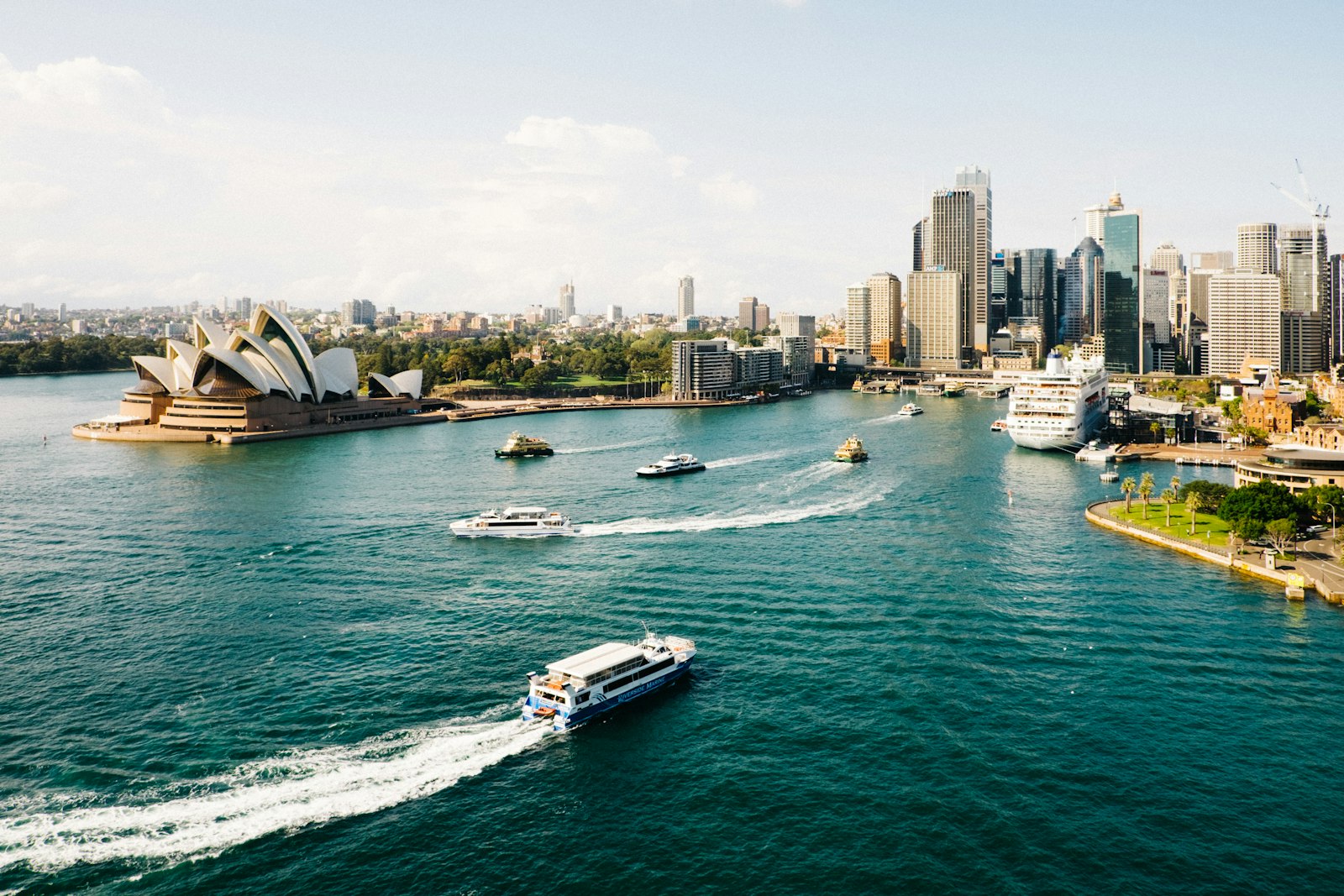
Three days covers the harbour, the city and one beach. Five lets you add the Blue Mountains and the northern beaches; seven lets you slow down and use the ferries the way locals do. Sydney is a harbour city, a beach city and a bush city at once, and each of those takes a day.
Wildlife and safety
Is Australian wildlife actually dangerous?
Far less than its reputation suggests. Australia does have 21 of the world's 25 most venomous snakes, but most Australians go their whole lives without a dangerous wildlife encounter. Sensible precautions cover almost all of it: watch where you step in bushland, swim between the flags at patrolled beaches, obey crocodile and stinger signage in the tropical north, and do not handle anything.
Where can I see kangaroos and koalas in the wild?
In the wild rather than a zoo, the reliable spots are dawn and dusk in coastal national parks and rural reserves rather than city fringes. Kangaroos gather on some beaches at first light, quokkas are found on Rottnest Island off Perth, wild koalas can be spotted in the Great Otway forests along the Great Ocean Road, and little penguins come ashore at dusk in Victoria and Tasmania.
When and where can I see whales in Australia?
Roughly May to November, when about 40,000 humpbacks migrate up and down both Australian coasts. You can watch from a headland for free or take a boat trip. The east coast season runs north in winter and south in spring; the west coast and Great Australian Bight have their own timings, and southern right whales calve close to shore in South Australia.
Food, coffee and everyday life
What is a flat white, and what should I order in an Australian cafe?
A flat white is espresso with steamed milk and a thin layer of microfoam — smaller and stronger than a latte, with less foam than a cappuccino. Australian cafe coffee is espresso-based by default; if you want filter coffee you will need to ask for it. A “long black” is espresso poured over hot water, and a “short black” is a straight espresso.
Do you tip in Australia?
No — tipping is not expected in Australia, because hospitality staff are paid a legally mandated minimum wage. Rounding up or leaving a small amount for excellent service is welcome but entirely optional, and there is no tipping culture in cafes, bars or taxis. You will not cause offence by not tipping.
What Australian foods should I try?
The short list: Vegemite on hot buttered toast (a thin scrape, not a spread), a Tim Tam, a meat pie, a chicken parmigiana at a pub, a lamington, and a flat white. Vegemite has been an Australian breakfast staple since 1923 and Milo since 1934 — both are institutions rather than novelties.
Read more: Iconic Australian Foods You Must Try
Which Australian wine regions are worth visiting?
Australia has more than 60 wine regions. The Barossa Valley in South Australia is the most famous, especially for Shiraz, with some of the world's oldest vines. Margaret River in Western Australia pairs Cabernet and Chardonnay with surf beaches. The Hunter Valley near Sydney is the oldest region and known for Semillon, and the Yarra Valley outside Melbourne produces cool-climate Pinot Noir and sparkling.
Buying Australian from overseas
Can I buy Australian food and beauty products online from overseas?
Yes. Many Australian staples — Vegemite, Tim Tams, Milo, Arnott's Shapes, Bondi Sands, Sukin and Lucas' Papaw Ointment — are stocked on Amazon and ship internationally, which is usually cheaper and faster than specialist import stores. We maintain ranked lists of what is actually available, based on current best-seller data.
Read more: Top 10 Australian Foods You Can Buy on Amazon · Best Australian Beauty Products You Can Buy on Amazon
About this site
Who writes Stralya.au and how is it funded?
Stralya.au is an independent Australian travel and lifestyle guide covering trip planning, regions, wildlife, food and Australian products. It is funded in part through affiliate links: as an Amazon Associate, Stralya earns a commission from qualifying purchases made through product links, at no extra cost to the reader. Product rankings reflect publicly available sales data at the time of writing, and availability changes.
Last reviewed: September 2026
Comments