Australia Tourist Visas Explained: ETA, eVisitor and What to Sort Before You Book

Australia does not do visa-free entry. With the sole exception of New Zealand citizens, every visitor needs some kind of visa before boarding a flight, and airlines check. The good news is that for the great majority of tourists from Europe, North America and East Asia, the "visa" is an electronic authority linked to your passport, applied for online or in an app, approved within minutes to a day or two, and either free or A$20. Here is how it works.
This guide is general information as at September 2026. Visa rules change and your circumstances matter. Always confirm current requirements on the Australian Department of Home Affairs website before you book flights.
The three tourist visas
eVisitor (subclass 651): most of Europe
Free. For passport holders of the UK, Ireland, all EU member states, Switzerland, Norway, Iceland and a handful of other European countries. Apply online through the Department of Home Affairs website. It allows multiple visits of up to three months each over a 12-month period, for tourism or business visitor purposes. Most applications are granted within a day; some take longer if checks are needed, so apply at least a few weeks out.
ETA (subclass 601): the US, Canada, Japan and others
A A$20 service charge, applied for through the Australian ETA app on your phone, which scans your passport chip and takes a selfie. For citizens of the United States, Canada, Japan, South Korea, Singapore, Malaysia, Hong Kong, Brunei and a few others. Same conditions as the eVisitor: multiple entries, up to three months per visit, valid for 12 months. Usually approved within minutes. You must apply through the app; third-party websites charging more are middlemen.
Visitor visa (subclass 600): everyone else
For passport holders not eligible for either of the above, including India, China, South Africa, most of South America, the Middle East and much of Asia. Applied for online, with a fee starting around A$200, supporting documents, and processing times that can run from days to several weeks depending on your country. Apply well ahead. Stays of three, six or twelve months can be granted.
What you need to have ready
A passport valid for your whole stay. Australia does not formally require six months' validity, but many airlines and transit countries do. Six months is the safe rule.
The same passport you applied with. An ETA or eVisitor is linked electronically to a specific passport. Renew your passport, and you need a new visa.
Your email address. Approvals are emailed. There is no sticker or stamp; the airline sees it in the system.
Honest answers to the character questions. Undeclared criminal convictions are the most common reason an ETA is refused and a full visa is required instead.
At the airport in Australia
Most passports from Europe, North America and East Asia can use the SmartGate e-passport gates on arrival, which takes about a minute. You will complete an Incoming Passenger Card on the plane, which asks about what you are bringing in. This matters.
Biosecurity is not a formality
Australia is an island continent without many of the pests and diseases that exist elsewhere, and it intends to stay that way. Declare everything that is food, plant or animal in origin: snacks, seeds, wooden items, honey, dried fruit, cheese, medicines, camping and hiking gear that has soil on it. Declaring costs nothing and the officer will usually wave it through or bin it. Failing to declare carries on-the-spot fines that start in the hundreds of dollars, and visa cancellation for serious breaches. Fresh fruit, meat and dairy will be confiscated; there is no point bringing them.
Common mistakes
Assuming a transit does not need a visa. If you are leaving the airport, or your connection is on a separate ticket, you need one. Even airside transit can require a transit visa for some nationalities.
Paying a third-party site A$80 for a A$20 ETA. Use the official app.
Leaving it to the airport. You cannot get a visa on arrival. Airlines will deny boarding.
Overstaying by a day. Visitor visas are enforced. If you might stay longer than three months, apply for the 600 instead.
Bringing a new passport with an old visa. Reapply.
Trying to work. Tourist visas do not permit work of any kind. A Working Holiday visa (subclass 417 or 462) exists for 18- to 30- or 35-year-olds from eligible countries and is a different, longer process.
A few related things to sort at the same time
Travel insurance. Visitors from a handful of countries with reciprocal health agreements, including the UK, Ireland, New Zealand, Italy, the Netherlands and the Nordics, can access some public hospital care; everyone else pays in full. Nobody gets ambulance cover or medical evacuation for free. Insure.
Driving. Your home licence in English is fine for visiting; otherwise carry an International Driving Permit. See our guide to driving in Australia.
Money. Australia is close to cashless. Tap-to-pay works everywhere; tell your bank you are travelling and check your card's foreign transaction fee.
Phone. An eSIM bought before you fly, or a Telstra or Optus tourist SIM at the airport. Telstra has by far the best coverage outside cities.
Power. Type I plugs, the angled three-pin design shared with New Zealand and China. 230 volts.
For most readers of this site, the whole process is: download the ETA app or open the eVisitor page, spend ten minutes, get an email. Do it before you book non-refundable flights, and then move on to the fun part: when to come and what it will cost.
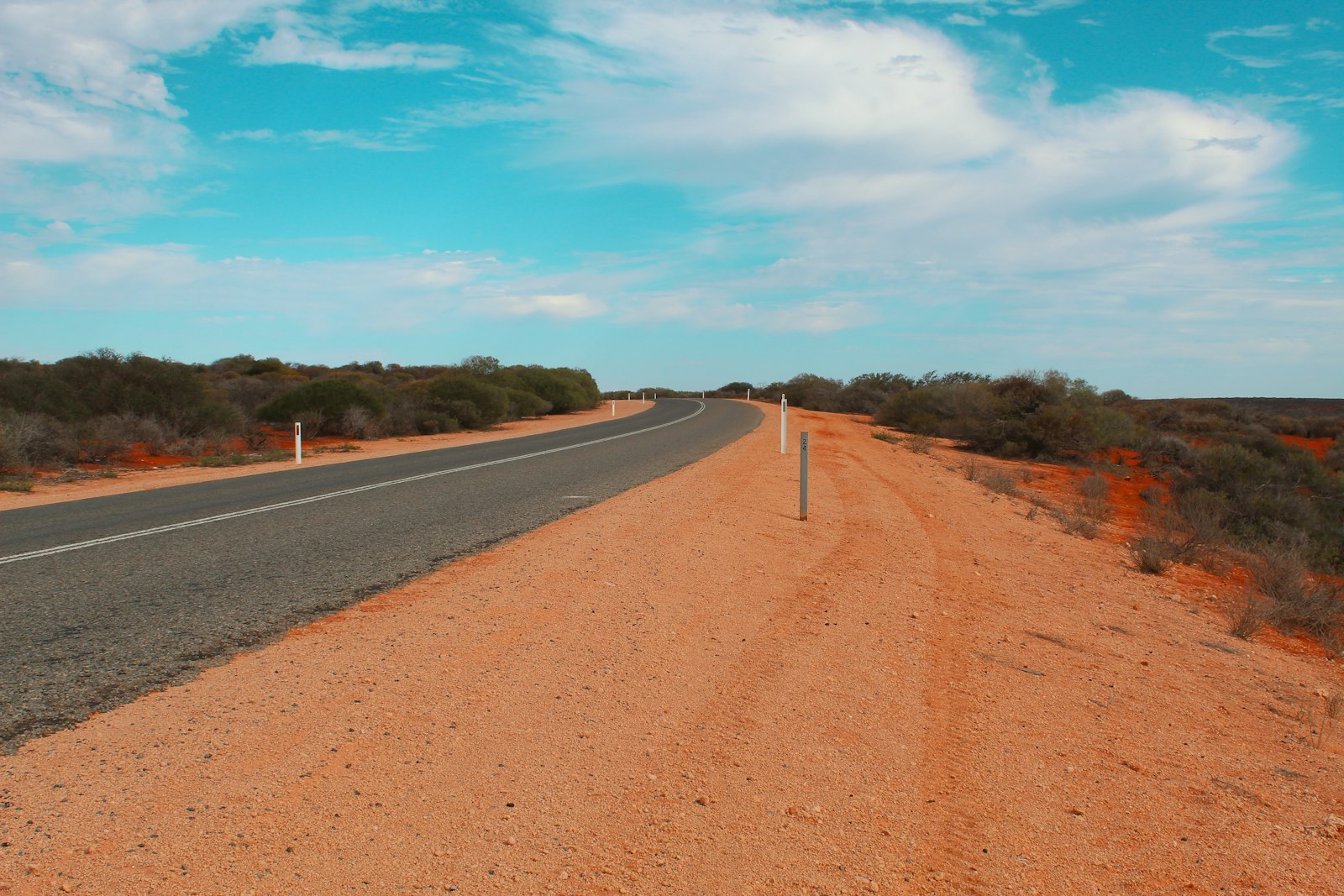
Cover photo via Unsplash.

Comments